Get Poured Wall Installation
Poured wall installation services help property owners build or repair foundation walls for basements, retaining walls, or structural support projects.
Poured wall installation is a practical solution for property owners looking to enhance structural integrity, improve landscaping, or prepare for future construction projects. Whether undertaking a basement renovation, building retaining walls, or managing erosion control, choosing experienced local contractors can ensure the work is completed with quality and precision. Exploring your options and comparing services from nearby providers can help you find the right fit for your project’s specific needs.
Navigating the variety of service providers available in the area can seem overwhelming, but understanding the scope of poured wall services and the expertise of local contractors can make planning your project more straightforward. By considering different options and gathering information about local specialists, property owners can make informed decisions that support the success of their construction or renovation goals. Keep reading to discover how local experts can assist with your poured wall installation needs.
- Residential Poured Wall Installation - needed when homeowners want durable and stable basement or foundation walls.
- Commercial Poured Wall Construction - required for building or reinforcing foundations for business properties.
- Retaining Wall Poured Installation - suitable for managing slopes or preventing soil erosion on properties.
- Foundation Wall Pouring - essential during new construction projects to create a solid base for structures.
- Repair and Reinforcement of Existing Poured Walls - necessary when addressing cracks or damage to maintain wall integrity.

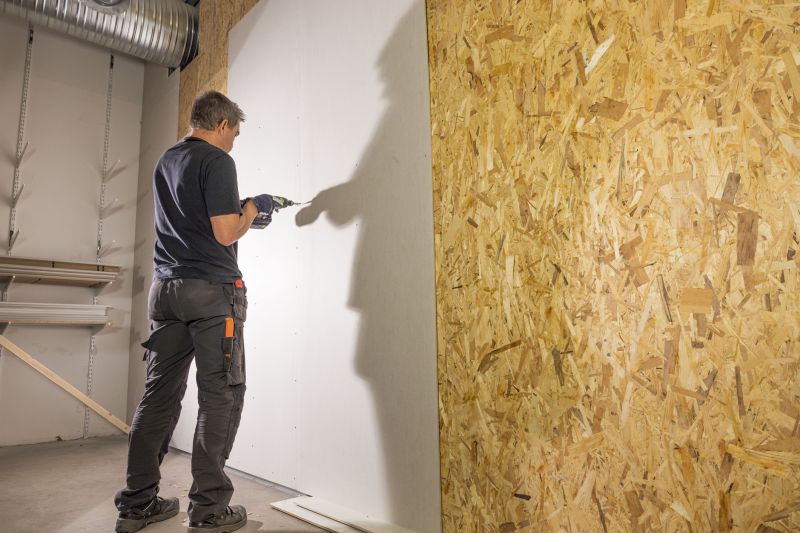
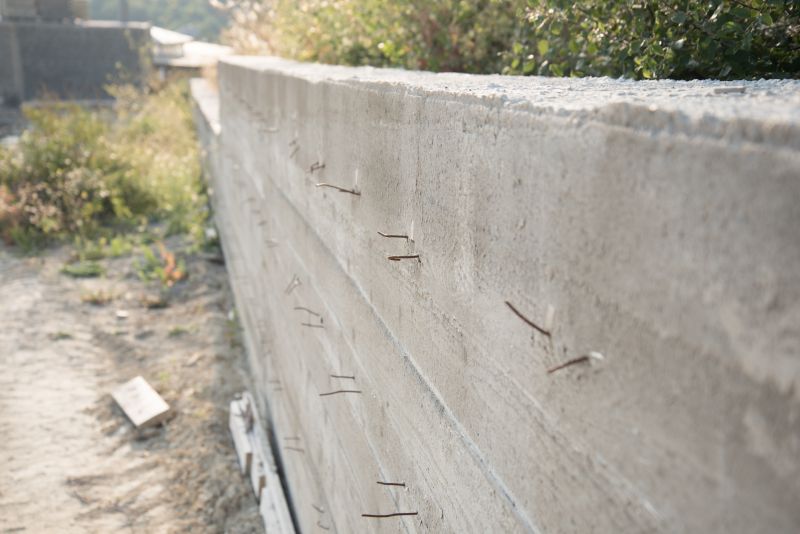
Poured wall installation involves creating durable, reinforced concrete walls that serve as foundational or retaining structures for properties. This process typically starts with setting up formwork to shape the concrete, followed by pouring the mixture into the molds. Once cured, the walls provide a solid barrier that can support soil, prevent erosion, and define the boundaries of a property. Poured walls are known for their strength, longevity, and ability to be customized to fit specific design and structural needs, making them a popular choice for various construction projects.
This service helps address a range of common property problems, including soil erosion, foundation instability, and inadequate retaining structures. Homes built on slopes or with landscaping that requires support often benefit from poured walls to prevent shifting or collapsing. Additionally, properties experiencing water intrusion or drainage issues may see improvements after installing properly constructed poured walls, which can help redirect water flow and reduce moisture problems. Overall, poured wall installation offers a reliable solution for enhancing structural integrity and protecting property value.
Properties that typically use poured wall services include residential homes, especially those with basements, crawl spaces, or terraced landscapes. Commercial buildings, retaining walls for parking lots, and landscape features like garden walls also frequently rely on this type of construction. Poured walls are suitable for properties requiring a high level of strength and durability, particularly in areas prone to heavy rainfall, freeze-thaw cycles, or shifting soil. Homeowners and property managers often turn to local contractors to ensure the work is done correctly and to meet specific site requirements.
Homeowners considering poured wall installation usually do so when facing issues like foundation cracks, water seepage, or the need for additional support around their property. It is also a common solution for those planning landscape modifications that involve retaining soil or creating level areas on sloped land. By working with experienced local service providers, property owners can find tailored solutions that address their unique needs, whether for structural reinforcement, erosion control, or aesthetic purposes. Contacting local contractors can help determine if poured walls are the right choice for maintaining and improving a property’s stability and appearance.
The overview below groups typical Poured Wall Installation projects into broad ranges so you can see how smaller, mid-sized, and larger jobs often compare in your area.
In many markets, a large share of routine jobs stays in the lower and middle ranges, while only a smaller percentage of projects moves into the highest bands when the work is more complex or site conditions are harder than average.
Smaller Repairs - typical costs for minor poured wall repairs usually range from $250 to $600, covering patching and sealing small cracks or holes. Many routine jobs fall within this middle range, depending on the extent of damage.
Standard Installations - installing new poured walls for basements or foundations generally costs between $4,000 and $8,000. Larger, more complex projects can exceed this range, but most fall within the typical budget for standard homes.
Full Wall Replacement - replacing entire poured wall sections or foundations can range from $10,000 to $20,000 or more, depending on size and complexity. Few projects reach the highest tiers, with most fitting into mid-range estimates.
Large-Scale Projects - extensive or commercial poured wall installations can cost $50,000+ due to size and scope. These are less common, with many projects in the lower to mid-range budgets typical for residential work.
Actual totals will depend on details like access to the work area, the scope of the project, and the materials selected, so use these as general starting points rather than exact figures.
Foundation Wall Construction - local contractors skilled in building strong, durable foundation walls often use similar pouring and reinforcement techniques as poured wall installation.
Basement Wall Waterproofing - waterproofing basement walls requires expertise in concrete application and sealing methods comparable to poured wall projects.
Retaining Wall Construction - constructing retaining walls involves planning, excavation, and concrete work skills that align with poured wall installation processes.
Concrete Footings and Slabs - installing concrete footings and slabs shares the same foundational pouring techniques as poured wall services.
Crawl Space Encapsulation - sealing and insulating crawl spaces involves concrete and wall finishing skills similar to those used in poured wall projects.
Structural Wall Reinforcement - reinforcing existing walls for stability often requires concrete application and planning skills akin to poured wall installation.
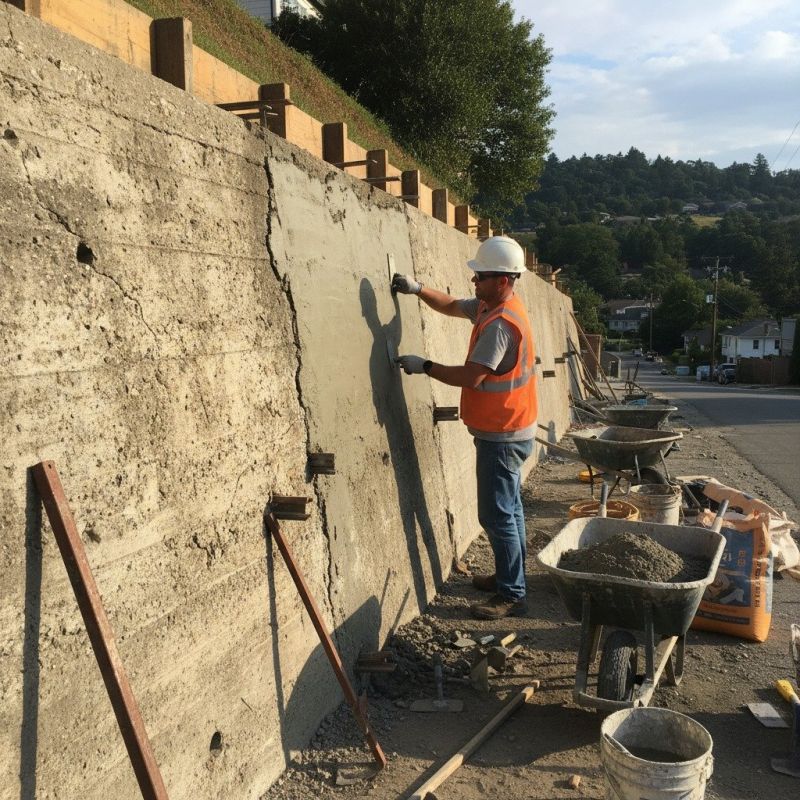
When evaluating service providers for poured wall installation, it’s important to consider their experience with similar projects. Homeowners should look for local contractors who have a proven track record of successfully completing poured wall work in environments comparable to their own. An experienced pro will understand the nuances of site conditions, soil types, and foundation requirements, helping to ensure the project is handled efficiently and effectively. Asking for examples of past projects or references related to poured wall installation can provide insight into a contractor’s familiarity with this specific type of work.
Clear, written expectations are essential to a smooth project. Homeowners should seek out local service providers who are willing to communicate details about the scope of work, materials, and methods upfront. Having a detailed written description helps prevent misunderstandings and provides a reference point throughout the project. It’s beneficial to discuss and confirm what is included in the scope of work, as well as any potential limitations or considerations, before work begins. This transparency can contribute to a more seamless experience and ensure everyone is aligned on the project’s goals.
Reputable references and good communication are key indicators of a reliable poured wall installer. Homeowners should inquire about references from previous clients who had similar work done, and follow up to learn about their experiences. Consistent, clear communication from the contractor-whether through phone, email, or in-person discussions-helps keep the project on track and addresses questions or concerns promptly. While the site introduces homeowners to local options, it’s important to remember that the actual work will be performed by qualified service providers in the area. Comparing these local contractors based on their experience, clarity in expectations, and communication can help ensure a successful poured wall installation.
Property owners use Poured Wall Installation services for practical projects around their homes and businesses. This guide focuses on everyday jobs and straightforward project options.
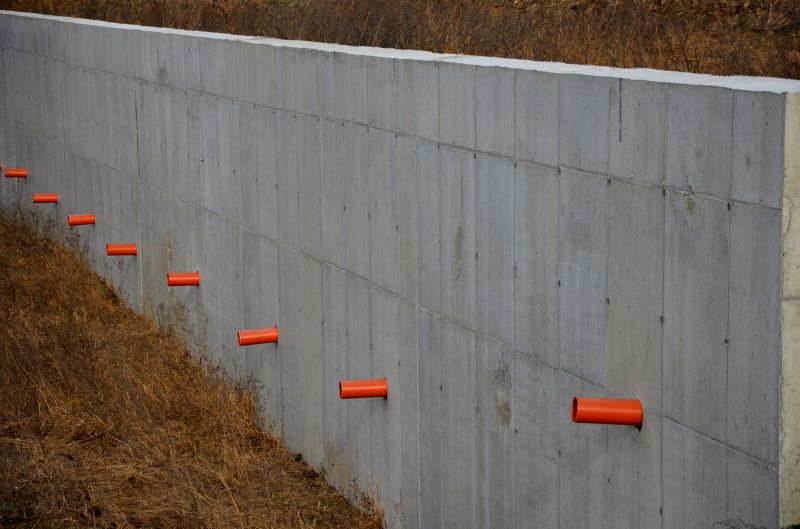
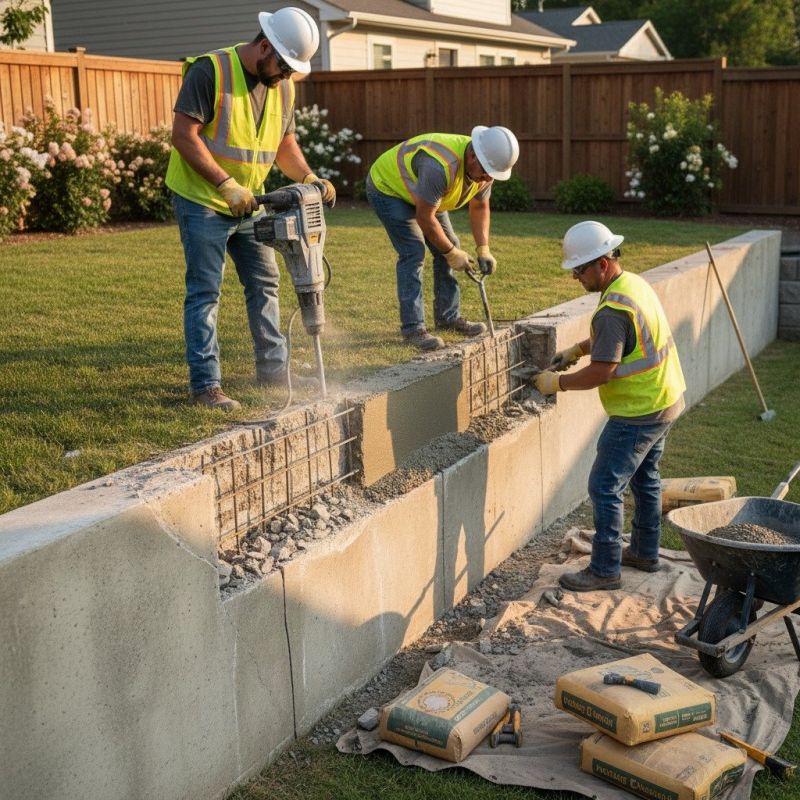
Poured wall installation services are often needed for property owners dealing with foundation repairs, basement finishing, or retaining wall construction. These projects can arise from issues such as water intrusion, shifting soil, or the need to create additional usable space. Local contractors specializing in poured walls can provide the expertise necessary to ensure structures are sturdy and long-lasting, helping property owners address these common challenges effectively.
Homeowners and business owners might seek poured wall services when planning renovations or facing structural concerns. Whether installing new basement walls or reinforcing existing ones, local service providers can handle a variety of project sizes and complexities. Connecting with experienced contractors ensures that the work aligns with the specific needs of the property, supporting stability and functional improvements.
What are poured walls used for? Poured walls are commonly used for foundations, retaining walls, and basement walls to provide structural support and stability.
What materials are typically used in poured wall installation? The primary material is reinforced concrete, which is poured into forms to create durable and long-lasting walls.
How do I know if poured wall installation is suitable for my project? Local contractors can assess your site and provide recommendations based on the specific requirements of your project.
What are the advantages of choosing poured walls over block walls? Poured walls often offer greater strength, fewer joints, and a more seamless appearance compared to block walls.
How can I find local service providers for poured wall installation? This website can help connect with experienced contractors in your area who specialize in poured wall services.
Foundation Support - Poured wall installation can provide sturdy support for basement or foundation walls, helping to prevent shifting or cracking.
Retaining Wall Construction - Installing poured walls can create durable retaining walls to manage soil and landscape levels around a property.
Basement Waterproofing - Service providers can help install poured walls that assist in sealing basements against moisture intrusion.
Erosion Control Solutions - Poured walls can be part of a plan to control erosion and protect property boundaries from water damage.
If you are thinking about Poured Wall Installation for a property, this guide is meant to help you understand the work, the typical project types, and how different options might fit your plans.
When you are ready, you can use the quote form on this page to share a few details about your project. From there, local pros can review the basics and respond with options that match what you have in mind.